Essential Checks for Your Roof After a Severe Storm
@roofwiseliving
What to look for when the wind dies down
Severe storms can leave a trail of damage that is not always obvious from the ground. High winds, hail, and flying debris can compromise your roof in ways that may not leak immediately but can worsen over time. Knowing what to check after a storm helps you spot problems early, prevent further damage, and move quickly on repairs. This guide walks through the key areas every homeowner should inspect, with practical reasons why each point matters.
Start with a cautious walk around the outside of your home. Look for fallen branches, scattered shingles, or debris that may have struck the roof. If you spot anything suspicious from the ground, do not climb onto the roof yourself unless you have experience with ladder safety and roof work. A quick visual inspection from a safe vantage point is enough to identify the most urgent issues. For anything beyond that, calling a professional roof inspector is the smart move.
READY ROOFING, LLC offers residential and commercial roof inspections and storm damage restoration across Northern Florida, so if you need a thorough assessment after a big storm, their team can handle it safely and thoroughly.
Check for missing or damaged shingles
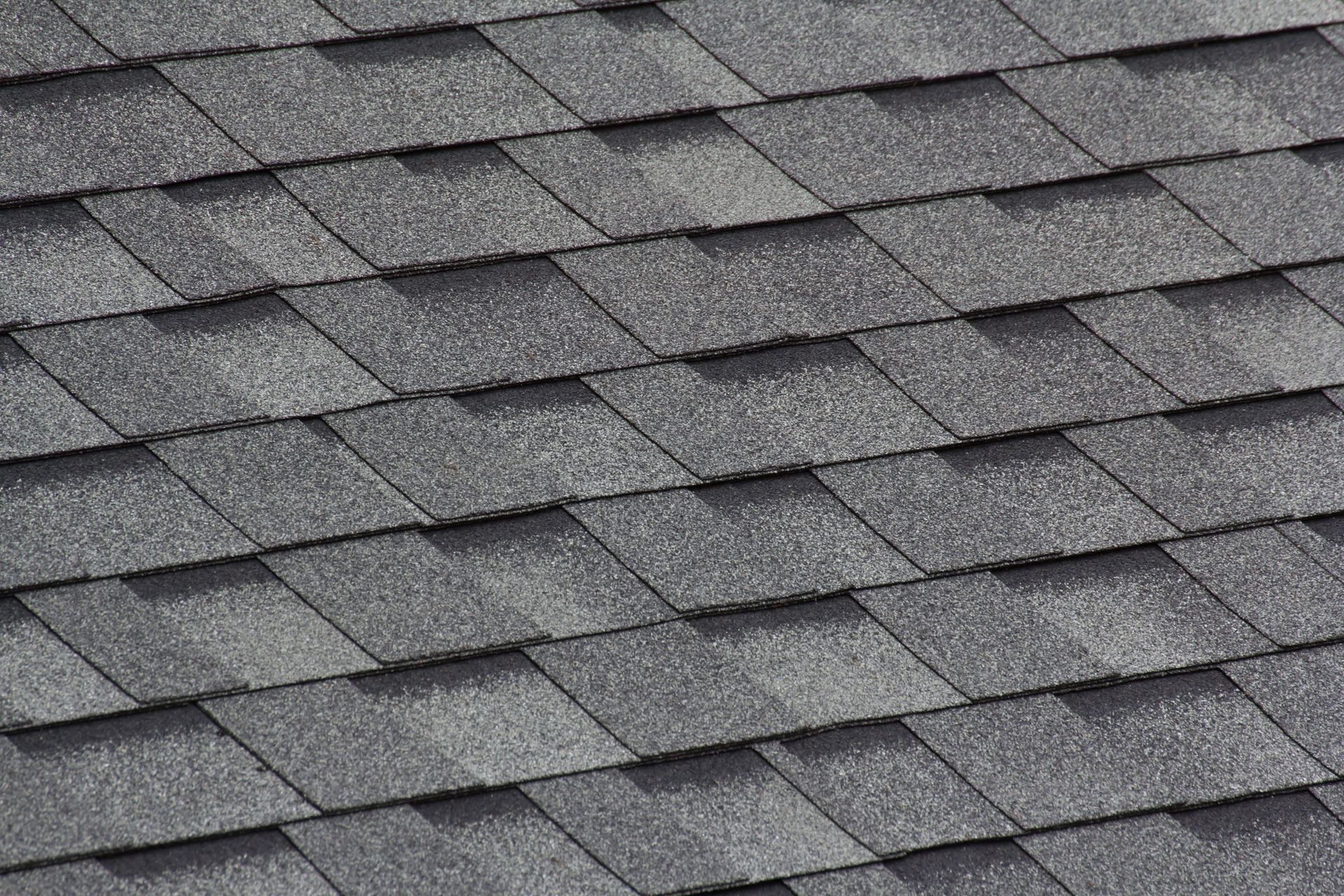
After strong wind, shingles can lift, crack, or blow off entirely. Missing shingles leave the underlayment and roof deck exposed to rain and sun. Over time, water intrusion leads to rot, mold, and interior ceiling stains. Even a single missing shingle can let water seep into the structure below. Check the entire roof surface from the ground using binoculars if needed. Look for shingles that appear curled, cracked, or out of alignment. Wind uplift can loosen fasteners, so shingles that look intact may still be at risk of blowing off in the next gust.
If you see bare patches where shingles used to be, note their location. A professional roofer can replace individual shingles without needing a full roof replacement, but prompt action is essential. Delaying even a few weeks can turn a simple repair into a much larger project.
Inspect flashing and roof edges
Flashing is the metal or rubber material installed around chimneys, vents, skylights, and where the roof meets walls. It seals these vulnerable transitions against water. High wind can peel flashing back or loosen its seal. Check these areas from the ground or from a second-story window. If the flashing looks lifted, wrinkled, or separated from the wall or chimney, water can run behind it and enter the home. This type of damage often goes unnoticed until a ceiling stain appears inside the house.
Flashing repairs require careful work with sealants or sheet metal. A quick patch with caulk may hold temporarily, but proper restoration needs a roofer who understands the system. This is one of those spots where a temporary tarp can help until professional repairs are done.
Look for signs of structural damage
Strong wind can push on the roof structure itself, especially if the roof has existing weaknesses. Look for sagging areas in the roofline, which may indicate a broken truss or rafter. From the attic, check for cracked or displaced roof framing. Also examine the ceiling below any suspicious roof areas for cracks or new gaps around windows and doors. These can signal that the roof deck shifted or that the walls are taking extra load.
Structural damage is the most serious type to catch early. A small crack in a truss can grow under further wind pressure, leading to partial collapse during the next storm. If you suspect any structural issue, evacuate the affected part of the house and call a roofing contractor trained in storm damage restoration immediately.
Check gutters and downspouts
Gutters collect water from the roof and direct it away from the foundation. After a storm, they may be clogged with leaves, twigs, or granules from damaged shingles. If water backs up, it can overflow and soak the fascia board, or worse, seep under the roof edge and into the eaves. Clear any visible debris from gutters and check that downspouts drain freely. Also look for gutters that have pulled away from the roofline. Wind can loosen the hangers or brackets, leaving gaps that defeat the gutter's purpose.
While you are up there (safely on a ladder or via a ground inspection), note whether the gutters have any dents or punctures from hail. Hail impact can create small holes that leak water onto the siding and foundation over time. Replacing a section of gutter is straightforward, but ignoring a small hole can lead to rot and pest issues.
Inspect attic and interior for leaks
After checking the exterior, go inside. Look at the attic floor and ceiling for water stains, damp insulation, or active drips. Even a slow leak from a tiny shingle gap can saturate insulation, reducing its R-value and promoting mold growth. Check around chimneys and vents for any discoloration on the ceiling below. Pay attention to musty odors, which often develop before visible stains appear.
If you find wet insulation, dry it as soon as possible. A dehumidifier and good ventilation can help. If the leak is ongoing, place a bucket under the drip and arrange for a temporary tarp on the roof above. But remember, a tarp is a stopgap. The real fix requires addressing the roof damage itself.
READY ROOFING, LLC is also on Facebook.
Document everything for insurance
Before any repairs begin, take clear photos and videos of all damage. Capture wide shots of the roof and close-ups of specific issues like missing shingles, lifted flashing, or interior stains. Note the date and time of the storm and any visible damage progression. This documentation is crucial for your insurance claim. Most homeowner policies cover storm damage, but adjusters need evidence to approve claims quickly. A well-documented file can speed up the process and reduce disputes.
Do not start permanent repairs before the adjuster inspects the roof, unless the damage is causing active water intrusion. In that case, temporary measures like a tarp are acceptable. Keep receipts for any materials you buy for temporary fixes; your insurer may reimburse you.
If you need professional help with roof inspections, storm damage restoration, or any roof repairs or replacements, READY ROOFING, LLC is located at 5105 Philips Hwy Ste 205, Jacksonville, FL 32207, USA, and can be reached at +1 904-404-9849. They provide residential and commercial roof repairs, replacements, inspections, and storm damage restoration across Northern Florida.